
What happens to grass during a drought?
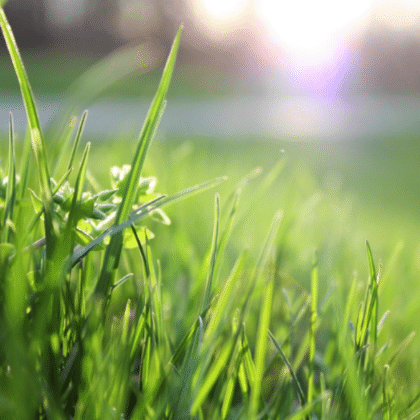
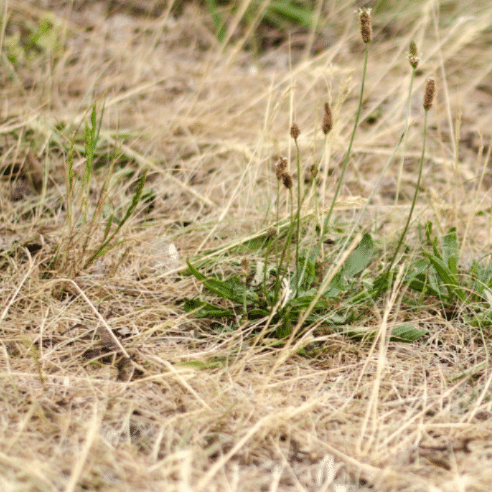
During extended periods of hot, dry weather, like we have seen this summer, grass growth slows or stops altogether. Here’s what happens to the grass.
- Grass growth slows or stops as the plant goes into survival mode to conserve moisture.
- Fresh, leafy growth dissapears, leaving more mature, fibourous grass that is harder to digest.
- The plant limits it’s uptake of nutrients to support minimal metabolic processes.
- Extended drought can lead to nutrient deficiencies, as roots struggle to absorb minerals from dry soil.
- When water is scarce, grass cannot maintain normal cellular functions such as photosynthesis and nutrient transport, which are essential for growth and vitality.
Drought doesn’t just affect how much grass your horse has. It affects what’s in it too.
- Energy and protein levels decline meaning horses may get less nutritional value from every mouthful.
- Vitamin content, particularly Vitamin E and Beta-Carotene, which horses convert to vitamin A, reduce and horses may struggle to obtain enough essential vitamins, minerals and trace elements.
When prolonged hot, dry weather causes grass growth to slow, pasture becomes more mature and less nutritious. While your horse may still have grass to graze, every mouthful could be providing less energy, lower-quality protein and fewer naturally occurring vitamins than fresh spring pasture.
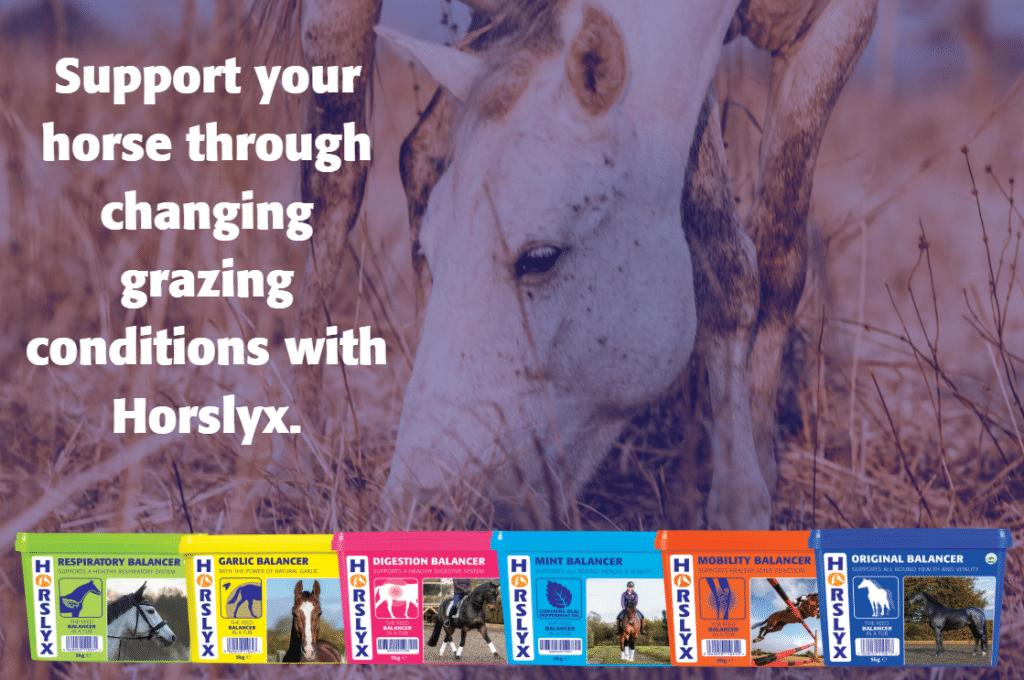
That’s where Horslyx can help.
Because when grazing gives less, it’s worth making sure your horse isn’t missing out on the nutrients they need.
- Provides a balanced supply of vitamins, minerals and trace elements to complement forage.
- Supports nutritional balance when grazing quality declines.
- Encourages natural licking behaviour to help support a trickle-feeding routine.
- Supports overall health and wellbeing, including healthy hoof growth, skin and coat.
Horslyx provides essential support and balances their nutritional needs when grazing quality declines. Because even when the grass stops growing, good nutrition should never stop.
While we can’t control the weather, we can help ensure our horses continue to receive the nutritional support they need as grazing conditions change.
