
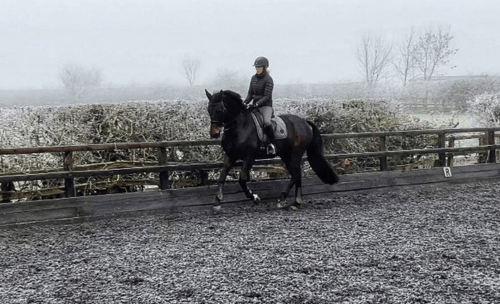
We asked Pauliina Swindells for her advice on winter riding. Born and raised in Finland, she knows better than anyone what cold winters can do to horses and riders alike. Pauliina has competed at 5-star level, represented Finland in major championships, and spent over a decade coaching and training horses in both Finland and England. Her insight combines top-level competition experience with practical, realistic guidance for winter horse care and training routines.
Winter horse riding can be challenging. Short days, frozen ground, cold air, icy surfaces and cold tack can make riding in winter feel harder than at any other time of year. With a clear plan, the right winter horse care routine can keep your horse progressing throughout the colder months.
“When time is short, a clear plan gives you purpose. Set weekly goals for yourself and your horse, no matter how big or small and use them to make every ride count.” Pauliina Swindells
Can a 20 Minute Winter Ride Really Be Effective

A short, focused session can be one of the most effective ways of exercising your horse in winter. Cold weather horse care is about consistency, not length. A simple 20-minute winter ride helps maintain balance, suppleness, and engagement without overworking your horse on cold or uneven ground.
Start With the Walk
“Don’t ignore the walk.” – Pauliina Swindells
Walking is especially important in winter to protect your horse’s joints, tendons and muscles, particularly in cold temperatures. Always allow at least 10 minutes of active walking at the start of your ride to properly warm the body.
Use this time productively:
• Collect the walk, then allow it to lengthen.
• Walk off the track to encourage straightness.
• Focus on a clear, four-beat walk rhythm.
• Ride without stirrups to help you find your seat bones and sit correctly.
These small details make a big difference to both horse and rider and set the tone for a successful winter warm up.
What to Focus on in a Short Winter Riding Session
Suppleness Work
Begin with soft, flowing shapes such as 20-metre circles, serpentines and gentle leg yields. This helps warm your horse through the topline and prepares their body for more collected work. Muscles take longer to loosen in winter temperatures, so this step is especially important.
“Suppleness is your foundation in winter. If the horse feels loose and relaxed, everything else becomes easier.” – Pauliina Swindells
Transitions for Balance and Focus
Transitions are one of the most valuable winter horse training tools. They build strength, attention and balance without needing a large schooling space. Try transitions such as walk to trot, halt to walk, trot to canter and changes within the pace such as working to collected. This creates a structured and engaging winter riding routine.
If time is very limited, you can still do meaningful work. Once you’ve completed your 10-minute walk:
• Trot for 5 minutes or
• Canter for 5 minutes
That alone provides a lot of quality work for your horse while keeping sessions safe and manageable in cold conditions.
Always Finish with a Stretch
No matter how short the ride, always finish with at least 5 minutes of stretching down in walk. This helps muscles recover, supports circulation and leaves your horse comfortable and relaxed.
Keep Goals Simple
Winter is a season for steady progress rather than major breakthroughs. A calm, positive and productive ride counts as a success.
When It Is Too Frozen to Ride: Safe Winter Horse Exercise Alternatives
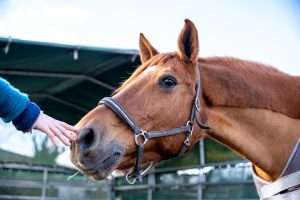
Frozen ground horse exercise requires caution. If riding is not safe, you can still maintain your horse’s fitness and mobility without sitting in the saddle.
Stretching Exercises for Horses During Winter
Carrot stretches, lateral flexions, ribcage bends and neck extensions all help maintain flexibility and posture. Using a Mini Horslyx for stretching encourages steady, controlled movements and helps your horse hold each stretch without nibbling your fingers. Mini Horslyx stretches are ideal for maintaining mobility during cold weather.
Indoor Winter Groundwork Options
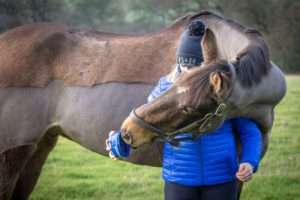
If you have an indoor school available, in-hand pole work, long reining and lunging with transitions are excellent low-impact winter horse training alternatives.
Simple Groundwork for Connection
Short groundwork sessions keep your horse mentally engaged and responsive when riding days are limited due to frozen ground or poor weather.
Winter Riding Does Not Need to Feel Like a Chore
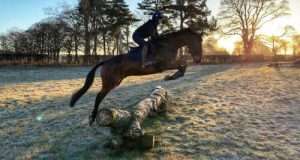
With thoughtful warm ups, a clear winter riding routine, creative frozen ground alternatives and consistent winter horse care, you and your horse can continue progressing even during the coldest weeks of the year.
“Consistency, even in small doses, is what keeps horses healthy and happy through winter.” – Pauliina Swindells
For the bond you share. Built on Trust. Backed by Nutrition.
